What Is Mobile Car Battery Replacement?
Mobile car battery replacement is a roadside service that allows a technician to replace a dead or failing battery at the vehicle’s location. Rather than having the car towed to a repair shop, the technician brings the necessary tools and, when available, a compatible replacement battery.
The process generally starts when the driver contacts a roadside assistance provider and provides information about the vehicle. The make, model, year, location, and symptoms can help the technician prepare for the service.
Once the technician arrives, the battery and related starting components are inspected. This is important because a vehicle that will not start may have an issue with the alternator, starter, cables, or another electrical component.
If the battery is determined to be defective, the technician can remove it and install a suitable replacement. The vehicle is then tested to confirm that it starts and the battery connections are secure.
How Does the Service Begin?
The service begins with a request for roadside assistance. When calling, provide the vehicle’s make, model, year, exact location, and information about what happened before the vehicle stopped starting.
Symptoms such as clicking when starting, slow engine cranking, dim lights, or complete electrical failure can help the technician understand the situation. Accurate information also helps determine which replacement battery may be appropriate.
After receiving the request, the technician travels to the vehicle’s location with the required equipment. Mobile battery service can often be performed in driveways, parking lots, workplaces, and other accessible areas.
The vehicle should be parked somewhere safe whenever possible. If it is located on a busy roadway or another hazardous area, roadside safety should be addressed before work begins.
Providing complete vehicle information can make the service more efficient and reduce unnecessary delays.
How Is a Dead Battery Diagnosed?
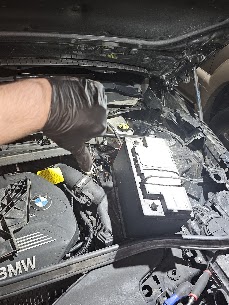
A vehicle that will not start does not necessarily need a new battery. A professional technician should inspect and test the battery before replacing it to determine whether it can still provide sufficient starting power.
The inspection may include checking the battery terminals, cables, physical condition, and visible corrosion. Loose or dirty connections can sometimes prevent the vehicle from starting even when the battery itself is functional.
Battery testing can determine whether the battery has sufficient capacity and starting power. An aging battery may show some voltage while still being unable to provide enough power to start the engine reliably.
The technician may also consider the charging system. If an alternator is not charging properly, installing a new battery may only provide a temporary solution.
This diagnostic step makes Mobile Car Battery Replacement more effective because it helps identify the actual cause of the problem. If the battery is worn out or defective, replacement is usually the appropriate solution.
How Is the Old Battery Removed?
After confirming that the battery needs replacement, the technician safely disconnects and removes the old battery. The vehicle is turned off, and the battery is handled carefully because automotive batteries can be heavy and contain corrosive materials.
The technician disconnects the battery cables and removes the hardware securing the battery in place. The terminals and surrounding area can then be inspected for corrosion, damage, or other problems.
If corrosion is present, cleaning the connection points may help ensure the replacement battery has a strong electrical connection. The battery tray and hold-down hardware can also be checked before installation.
The old battery should be disposed of or recycled properly rather than placed in ordinary household trash. Many automotive battery retailers and recycling facilities accept used batteries for appropriate handling.
Proper removal protects both the vehicle and the technician while preparing the battery compartment for the replacement.
How Is the New Battery Installed?
The technician installs a replacement battery that meets the vehicle’s specifications. Choosing the correct battery is important because vehicles can have different requirements for size, capacity, terminal configuration, and starting power.
The replacement battery is positioned securely in the battery compartment and fastened using the appropriate hold-down hardware. A properly secured battery should not move excessively while the vehicle is being driven.
The battery cables are then connected to the correct terminals and tightened securely. Poor connections can cause starting difficulties, electrical problems, or intermittent power loss.
After installation, the technician starts the vehicle and checks that the electrical system is functioning normally. Some modern vehicles may require additional battery registration or programming procedures after installation.
A professional installation helps ensure that the battery is secure, correctly connected, and ready to provide dependable starting power.
How Long Does Mobile Battery Replacement Take?
The time required depends on the vehicle, battery location, accessibility, and condition of the electrical system. A straightforward battery replacement can often be completed relatively quickly after the technician arrives.
The initial battery inspection and testing may take additional time, but these steps are important. Replacing the battery without confirming the cause of the problem could leave the driver with the same starting issue.
Some vehicles have batteries located in difficult-to-access areas, which can make replacement more complicated. Weather, traffic, parking conditions, and travel distance can also affect the total service time.
Drivers should understand that replacing a battery is different from receiving a jump-start. A jump-start may temporarily get a vehicle running, while a replacement addresses a battery that can no longer reliably hold or deliver sufficient power.
If the vehicle still will not start after a new battery is installed, further diagnosis may be needed to identify a starter, alternator, wiring, or other electrical problem.

When Should You Consider Battery Replacement?
Several warning signs can indicate that a battery is becoming unreliable. Slow engine cranking is one of the most common symptoms, especially when the engine takes longer than usual to start.
Drivers may also notice dim headlights, weak interior lights, clicking sounds, or electrical accessories that behave differently than normal. These signs can indicate a battery problem, although other electrical issues can produce similar symptoms.
A battery that repeatedly loses its charge should also be inspected. While accidentally leaving lights or accessories running can drain a healthy battery, repeated discharge may indicate an aging battery or charging-system problem.
Extreme temperatures can also affect battery performance. An older or weakened battery may struggle more during periods of very hot or cold weather.
If the vehicle suddenly will not start, Mobile Car Battery Replacement can be a convenient option when the vehicle is safely accessible. Addressing battery warning signs early may also help prevent an unexpected breakdown.
What Happens After Installation?
After the replacement battery is installed, the technician should verify that the vehicle starts properly and that the battery is securely mounted. The terminals and connections can also be checked to ensure they are tight and correctly positioned.
Depending on the vehicle, the technician may inspect the charging system to determine whether the alternator is providing appropriate power. This can help identify an underlying issue that could affect the new battery.
Some modern vehicles use battery monitoring systems that may require registration or resetting after installation. The exact procedure depends on the vehicle’s manufacturer and design.
Drivers should monitor the vehicle after the replacement. If it continues to start normally, the immediate battery problem may be resolved. However, if the vehicle develops another no-start issue soon afterward, further inspection is recommended.
Keeping battery terminals clean, responding to starting problems early, and maintaining the vehicle’s charging system can help reduce future battery-related problems.
Conclusion
Mobile car battery replacement offers a convenient way to handle a dead or failing battery without automatically towing the vehicle to a repair shop. The process typically involves requesting assistance, providing vehicle information, testing the battery, removing the old unit, installing the correct replacement, and checking that the vehicle starts properly. Professional testing is important because starting problems can sometimes be caused by the alternator, starter, cables, or other electrical components.
For drivers in Chicago who need convenient roadside assistance, Mobile Battery Man Roadside Assistance can bring battery replacement service directly to your vehicle. If your car will not start and you suspect a battery problem, call 312-257-9835 for assistance.